
Quick answer: price your condo for the market buyers are shopping in today, not the one your neighbour sold into last spring, and not the number on your BC Assessment. As of the latest Greater Vancouver Realtors numbers, the Metro Vancouver apartment benchmark price is $682,500, down 6.2% from a year ago, and buyers have plenty of choice. A condo that’s priced right from day one gets the attention. A condo that’s priced “to leave room” usually just sits.
I love fall in this city. The maples on the side streets in Mount Pleasant go orange and red, the first real rain rolls in, everyone pulls out the good sweater, and the buyers who are still out house hunting in October are serious. They aren’t browsing for fun. They want to buy. That makes fall a great time to sell a condo, as long as you get one thing right: the price.
Pricing is the part that keeps my sellers up at night, and I get it. So here’s how I actually think about it.
What Is the Vancouver Condo Market Doing Right Now?
Here’s where things stand, based on the September 2026 stats Greater Vancouver Realtors released on October 2:
Apartment benchmark price (Metro Vancouver): $682,500, down 0.5% from August and down 6.2% year over year.
Vancouver East apartments: $634,800, up 1.0% from August, down 5.2% year over year.
Vancouver West apartments: $761,800, down 1.7% from August, down 5.2% year over year.
Apartment sales: 777 across the region, down 18.6% from September 2025.
Apartment sales to active listings ratio: 11.4%.
That last number is the one I watch most closely. The sales to active listings ratio tells you how many homes sold compared to how many were for sale. GVR notes that when it sits below 12% for a while, prices tend to feel downward pressure. Right now condos are hovering just under that line. In plain English: buyers have options, they’re comparing, and they’re not in a rush.
The good news? Total inventory is down 4% from last year, which has kept prices from sliding too fast. Well priced, well presented condos still sell. They just don’t sell themselves.
Why Can’t I Just Price Off My Neighbour’s Sale or My BC Assessment?
I hear both of these all the time, and I understand why. They feel like solid numbers. But they’re both looking backward.
Your BC Assessment values your home as of July 1 of the previous year. It’s a tax tool, built from mass appraisal, and it doesn’t know about your new floors, your fantastic sunset view, or the special levy the strata just approved. I wrote a whole post on why assessed value and market value can be miles apart.
Your neighbour’s sale might be the most relevant comparable you’ve got, but timing matters. According to GVR, every segment of the market is down about 3% since the start of the year. If the unit two floors up sold in April, the market has moved since then. And even in the same building, no two units are identical.
I recently sold a home that went for tens of thousands of dollars more than one in the same building that was on a higher floor. Both were listed around the same time. The other unit was fully upgraded, a few floors up and had more square footage. However, the home I was selling had a phenomenal view but was in original condition and needed to some repairs. On paper, when you compared the two properties, the home I was selling should have been around $30,000 less than the other one for sale. However, the view was truly unique, and I used that as a massive selling feature to achieve a much higher price despite other market factors. Knowing what to capitalize on and how to present it properly to buyers when selling your home is key.
How Do You Actually Figure Out What a Condo Is Worth?
When I put together a pricing analysis for a condo, I’m looking at three groups of homes:
Recent sales. First in your building, then in similar buildings nearby: same age, same type of construction, ideally from the last few months. These tell us what buyers have actually paid.
Active listings. This is your competition. Buyers aren’t comparing your condo to something that sold in March. They’re comparing it to the three other one bedrooms they’re seeing on Saturday.
Expired and terminated listings. My favourite group, and the one most people skip. The condos that didn’t sell tell you exactly where buyers said “no thanks.” That’s your ceiling.
Then we adjust for everything that makes your home different. It’s a bit like the old menu pricing rule from my chef days: if the daily special costs more than the steak, nobody orders it, no matter how good it is. Your condo has to make sense next to everything else on the menu.
What Makes One Condo Worth More Than the One Down the Hall?
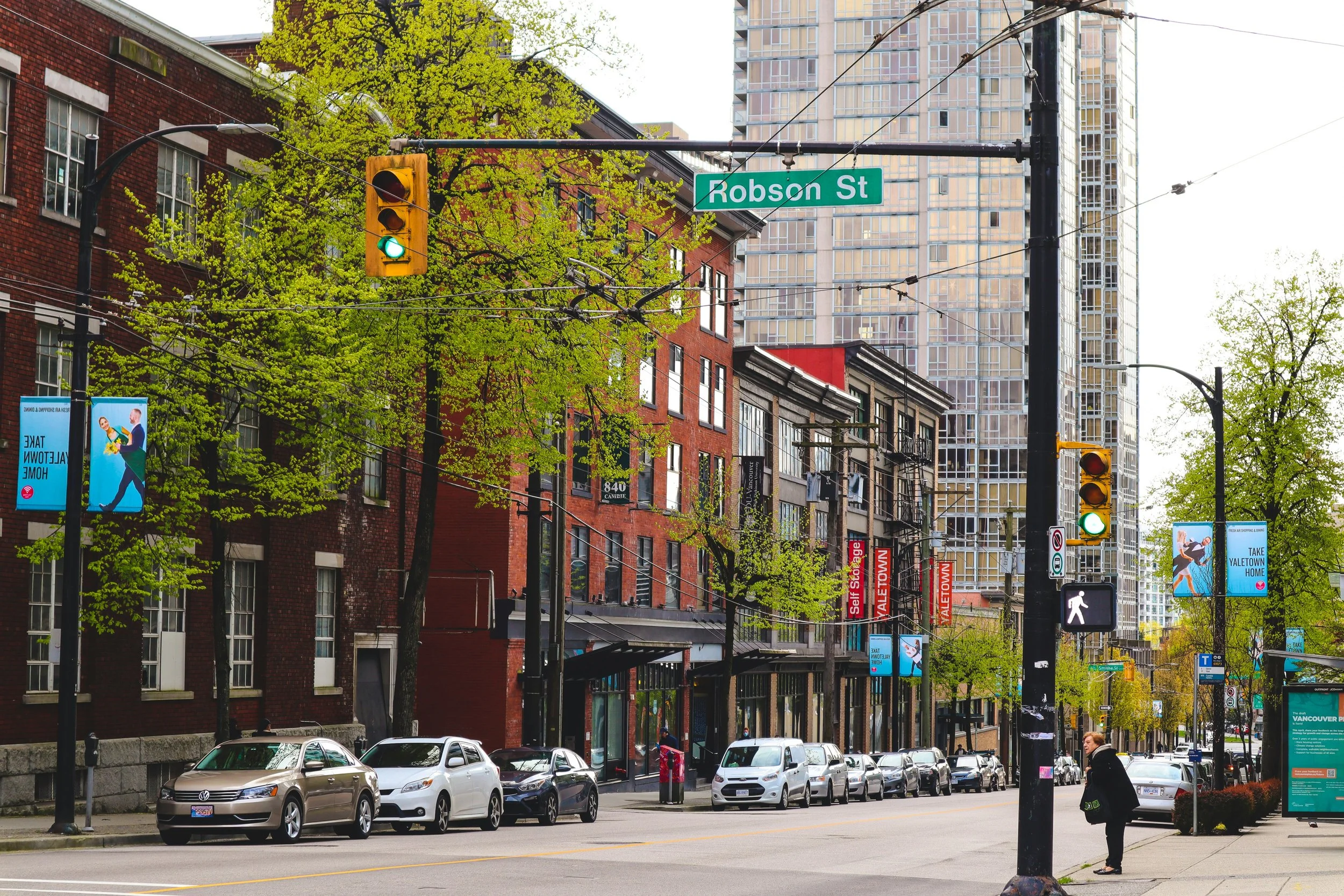
This is where local knowledge pays off. The things Vancouver buyers will pay more for (or walk away over) are pretty specific. Whatever it is, the way you tell your story online can make all the difference.
Light and exposure. On a grey November afternoon, a bright south or west facing unit feels like a different world from a dark north facing one. Buyers notice, and they pay for it.
Noise. Facing a quiet courtyard versus facing Kingsway, Broadway, or the SkyTrain line makes a real difference in what buyers will offer.
Floor and view. Higher floors and protected views usually command more, but only if the rest of the unit holds up.
Layout. A smart 650 square foot one bedroom with a real dining spot can outperform a clumsy 700 square foot one.
Parking and storage. Is the stall limited common property or common property? Buyers and their agents will ask.
The health of the strata. A strong contingency reserve fund, a recent depreciation report, and no big surprises in the minutes all support your price. A looming envelope project or special levy will get priced in by every buyer who reads the documents (and they will read them).
Should You Price High and Leave Room to Negotiate?
In this market, I’d say no. Here’s why.
Buyers search in price brackets. Most people set their search filters in round numbers, like up to $650,000 or up to $700,000. If your condo is worth around $690,000 and you list it at $719,000, you’ve just disappeared from the screens of everyone shopping up to $700,000. Those are exactly the people most likely to buy it.
The first two weeks matter most. Your listing gets the most views, saves and showings when it’s brand new. If it’s overpriced during that window, you burn your best attention on buyers who decide to wait.
Price drops follow the market down. Say, as a hypothetical, you list a one bedroom at $699,000 when the comparables point closer to $660,000. Three weeks later you drop to $679,000, then to $665,000. By then buyers are wondering what’s wrong with it, and you may end up below where a sharp price on day one would have landed.
Yeah, nobody loves hearing that their condo is worth a little less than they hoped. But a realistic price that brings in showings in week one beats an ambitious price that brings in nothing but crickets.
How Do You Stand Out When Buyers Have Choices?
When buyers have options, presentation and preparation carry a lot of weight:
Stage it, or at least style it. A clean, bright, decluttered condo photographs better and shows better. Staging helps buyers picture themselves living there, and in a slower market that matters even more.
Have the strata documents ready. Form B, the depreciation report, recent minutes, and the budget. Serious buyers want them early, and having them on hand signals you’ve got nothing to hide.
Mind the calendar. Fall is a good selling season, but things tend to quiet down toward the holidays. Listing sooner rather than later gives you more runway.
What Should You Do Before You Pick Your Number?
Start with a conversation, not a list price. Get a proper pricing analysis from someone who knows your building and your neighbourhood. Know your numbers: your mortgage payout, any penalty, and what you need to net to make your next move work. And be honest with yourself about your timeline, because a seller who needs to move by January prices differently than one who can wait for spring.
If you’re thinking about selling this fall, or even just curious what your place might be worth in today’s market, call or text me. I’m happy to grab a coffee, walk through your home, and give you a straight answer.
Written as of October 15, 2026.
This blog is for informational purposes only and should not be relied upon for legal, investment, mortgage or other advice. It is not intended to cause or induce breach of an existing agency agreement. All information provided is deemed reliable but is not guaranteed and should be independently verified.
Nevada Cope PREC*
604-897-6971
nevadacope@gmail.com
